
How does tourism impact wildlife conservation in Kenya?
Introduction
I picked this topic because elephants are my favourite animal and I wondered how countries with nature-based tourism try to preserve their nature without exploiting it too much and harm it.
Kenya is widely recognised for its diverse landscapes and rich wildlife, especially the safari experience that attracts millions of tourists. The ability to observe many species in their natural habitat, such as lions, elephants and giraffes, makes it one of the most popular destination for nature-based tourism. However, in many touristic places that revolve around animals such as elephant-riding attraction in India, serious concerns have been raised about animal welfare and hidden negative effects of the tourism industry. This raises an important question : does tourism in Kenya support the wildlife conservation, or does it risk harming animals it depends on ?
I will first explain the baground of nature preservation parks, that would include Maasai Mara, Amboseli national park and Tsavo national park. Then i will continue about the positive effects of tourism, and i will explore its negative effects. Finally, i will finish with policy responses and future strategies. The sources will be presented as coloured numbers. By clicking on it, will show the sources
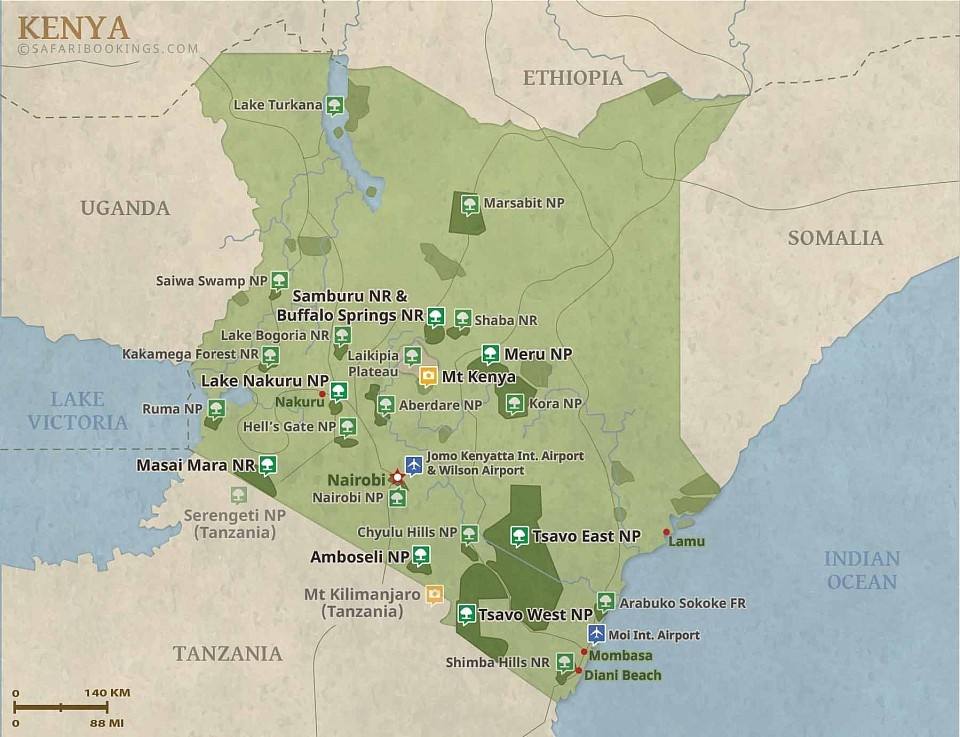
Kenya map with national parks and reserves
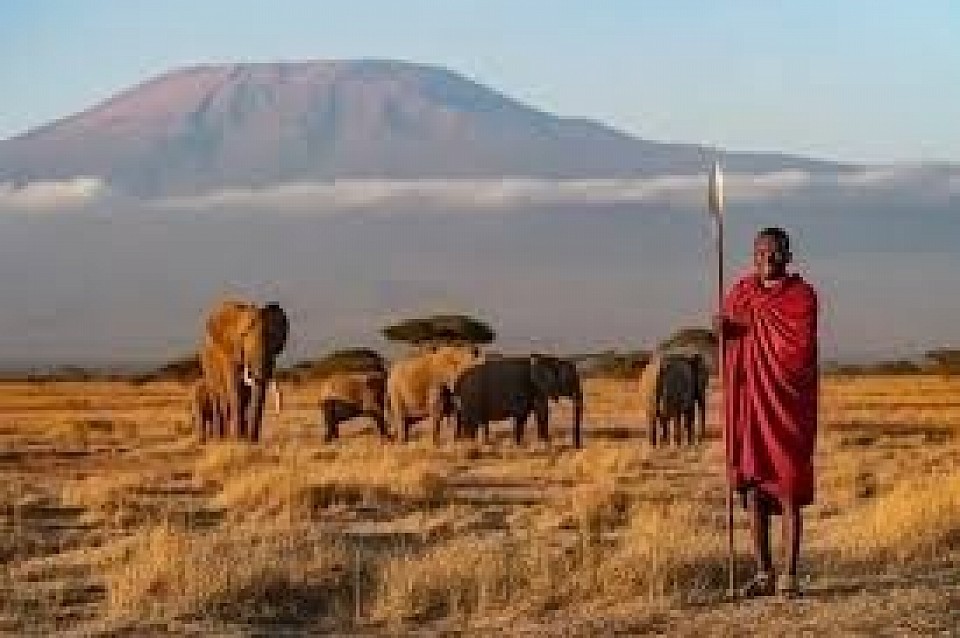
Amboseli national park
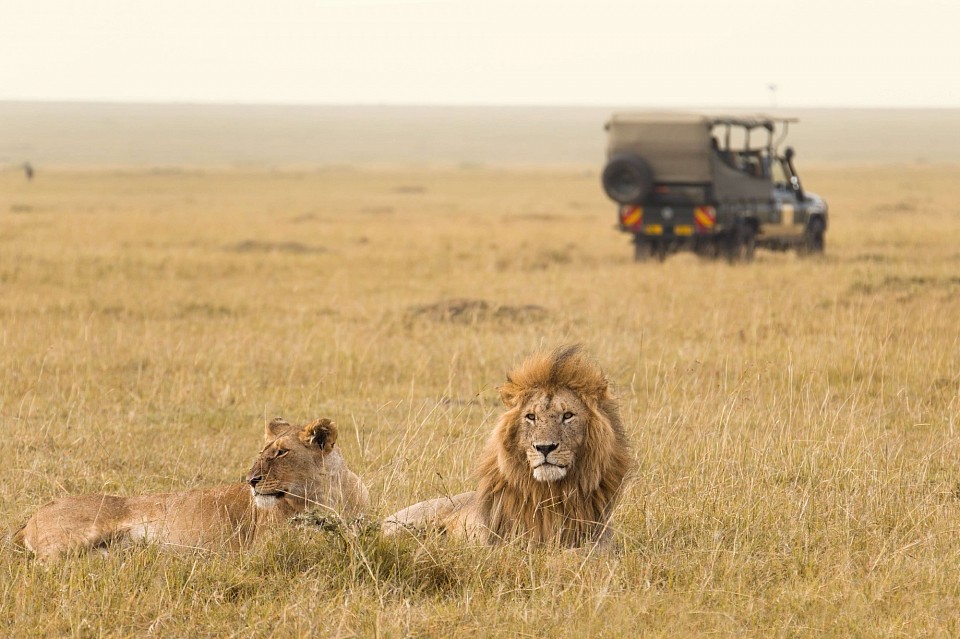
Maasai Mara National reserve
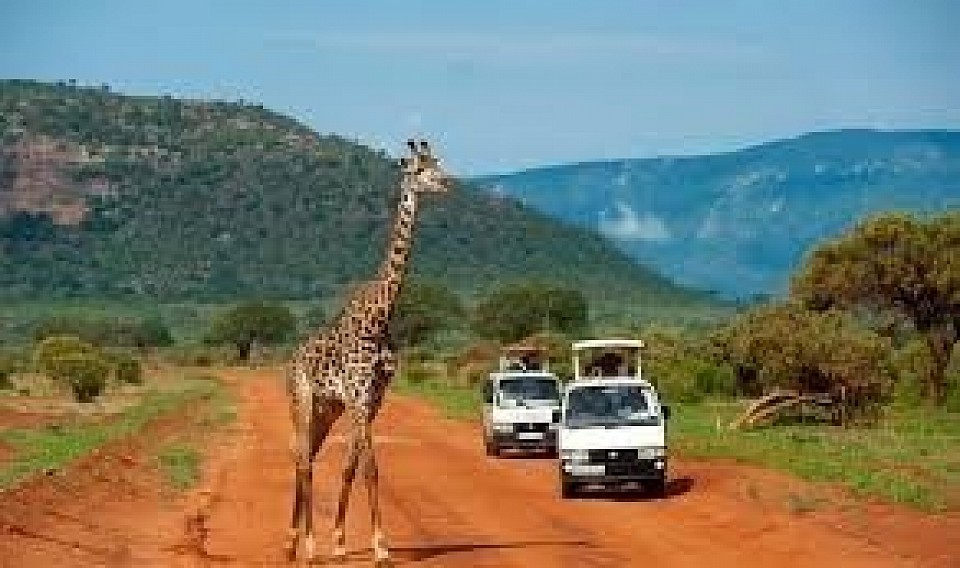
Tsavo national park
Overview
Wildlife conservation is a preservation and protection of animals, plants and their habitats. By conserving wildlife, we're ensuring that future generations can enjoy our natural world and the incredible species that live within it.
(1) Before colonisation, Kenya had around 42 different ethnic communities, each of them had different languages, culture practices and values. Each of those communities respected nature. It was a bad omen to kill a living being without purpose or taking more than necessary. They believed that such behaviour would bring famine, drought or natural disasters. Each community related with the environment in distinct ways, and was able to sustain ecology and its viable resources. The cultural differences spared some species in those regions where they were less preferred. Fore example, some communities considered it a taboo to eat fish, birds, primates or some others species, while other communities valued them. This traditional resource management stayed strong until 1895 when Kenya became a British protectorate.
(1) During the period of exploring mainland in Kenya many explorers came back to Europe with different stories about Kenya's mainland and the variety of its species. This attracted many hunters that travelled there for killing species for trophies, food and pleasure. By 1880's concerns were raised for the decline of the wildlife and suggestions were made that some kind of control measures were needed to save wildlife.
(2) The origins of "modern" wildlife conservation in Kenya is usually traced back to 1898 when the colonial administration introduced the first law to control hunting. In 1932 a British committee recommended creation of national parks and reserves where hunting and ressource extraction would be restricted or banned. This led to the National Parks Ordinance of 1945 and the establishment of Kenyas first national parks, such as Nairobi National Park, Tsavo and Amboseli.
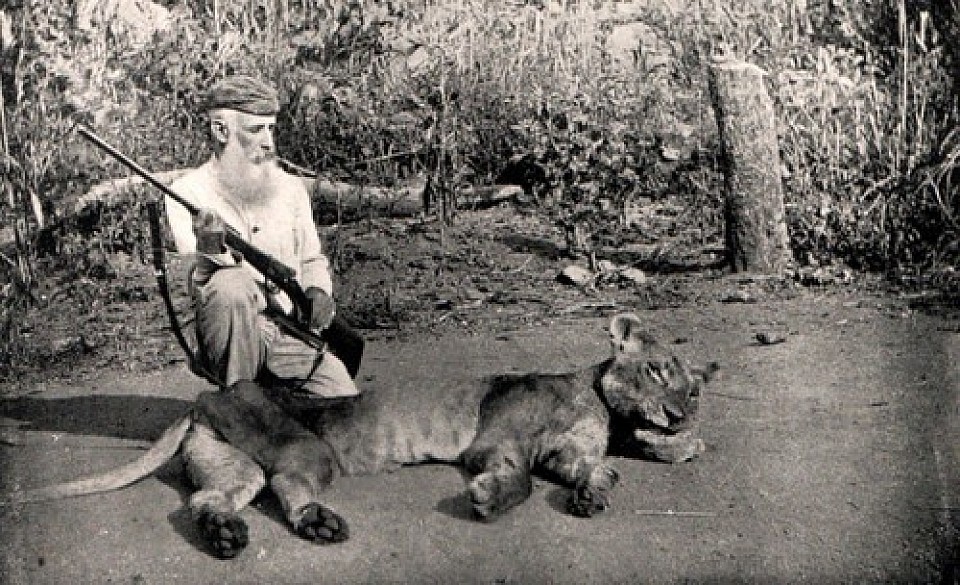
William John Ansorge (1850 - 1913)
This industry is built around safari tourism, with iconic attractions, such as the Maasai Mara National Reserve, Amboseli National Park, and Tsavo National Park, drawing visitors from around the world. Kenya is renowned for spectacular wildlife events, like the Great Migration, where millions of wildebeest and zebras move between Tanzania and Kenya each year. Alongside wildlife viewing, Kenya offers coastal tourism (e.g., Mombasa, Diani, Lamu), cultural tourism involving various ethnic communities, and adventure tourism, such as hiking Mount Kenya.
These protected areas later became central to tourism and are one of the country's largest and most important economic sectors, which now play a major role in wildlife conservation. Tourism can support conservation by generating revenue, creating jobs and funding protected areas, but it can also threaten wildlife through habitat disturbance, pollution and overuse of natural areas.
Tourism as a Tool for Wildlife Conservation
Funding mechanism
Tourism, particularly ecotourism and photographic safari tourism, plays a crucial role in wildlife conservation by generating revenue that supports protected areas and conservation initiatives. This funding is essential for maintaining national parks, compensating rangers, and safeguarding wildlife from poaching.
Funding for conservation
National parks are managed by the Kenya Wildlife Service (KWS) (3) , and their operations rely heavily through park entry and conservation fees paid by visitors. This revenue helps finance essential activities. Tourism is therefore one of the most important sources of conservation funding.
Examples of conservation activities that are funded by this type of revenue are:
Anti-poaching and wildlife protection:
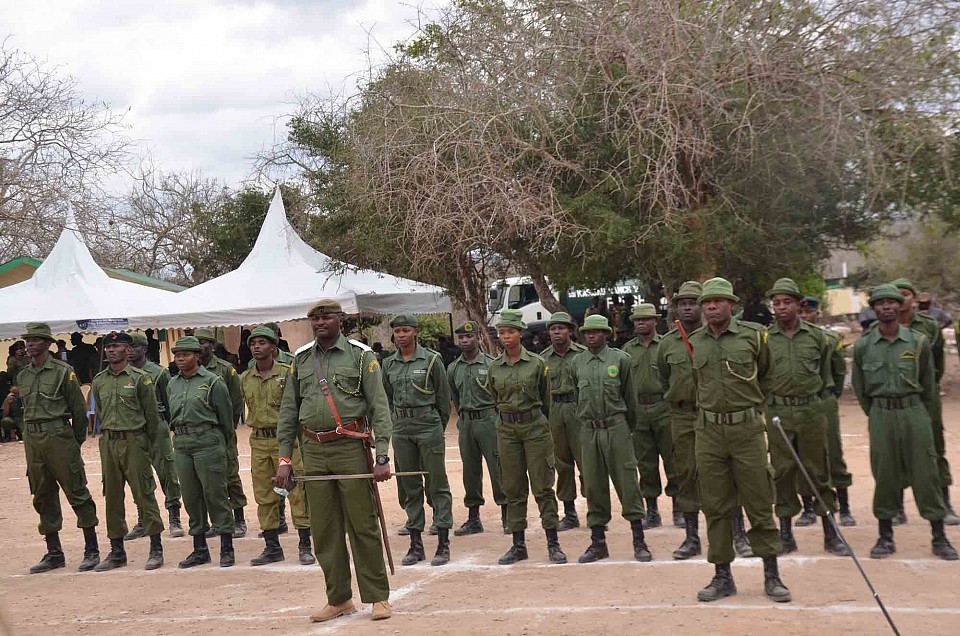
Conservancy ranger
- Ranger recruitment, training, salaries,
- Anti-poaching patrols, surveillance, vehicles, fuel, drones, and monitoring equipment
These efforts are essential especially for endangered species, like Black Rhino, African Elephant, Grevy's Zebra and many others from poaching
(4) The presence of tourists in protected areas can further deter illegal activities, as increased human activity raises the risk of detection of poachers. As a result, wildlife populations in tourism-supported areas often experience improved protection and reduced illegal exploitation
Habitat ecosystem management
- Habitat restoration and vegetation management
- Water provision during dry seasons
- Fire control and ecosystem monitoring
Areas with tourism potential are more likely to be designated as protected zones, thus limiting land conversion for agriculture, mining, or urban development.
Tourism revenue supports the restoration of degraded habitats and the maintenance of wildlife corridors, which are essential for species movement and ecosystem resilience.
(3) By assigning economic value to intact ecosystems, tourism encourages long-term land preservation. Healthy habitats ensure wildlife populations can thrive while maintaining ecological balance.
Logo of KWS
Research and Wildlife Monitoring
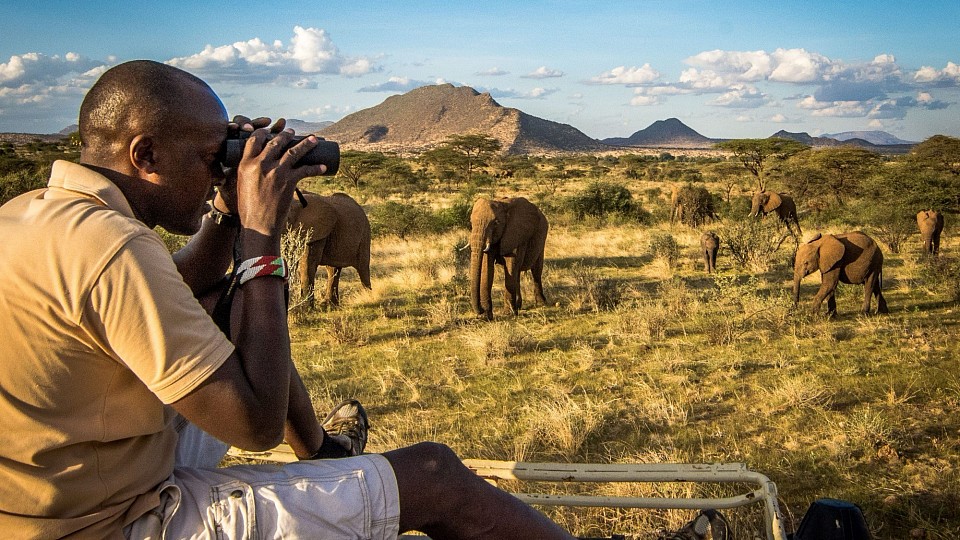
https://savetheelephants.org/our-work/science/behaviour-society/long-term-monitoring/
- Wildlife censuses and population tracking
- Scientific research and data collection
- Monitoring of migration routes and ecosystem health
The data collected through such research informs management decisions and enhances the effectiveness of conservation strategies. Stronger institutions and better-informed policies are more likely to emerge in regions where tourism contributes to conservation financing.
This information guides evidence-based conservation decisions.
Infrastructure and Visitor Management
- Park roads, trails, signage
- Vistor centers, campsites,
- Facilities that reduce environmental damage and overcrowding
(3) Tourism supports wildlife conservation by funding essential infrastructure such as park roads, ranger posts, visitor centers, and surveillance facilities.
This infrastructure improves wildlife protection, enables effective patrols and allows for better management of protected areas.
Well-developed infrastructure also supports sustainable tourism while minimizing environmental damage. As a result, tourism infrastructure strengthens both conservation efforts and visitor management. Well-managed tourism infrastructure protects ecosystems while improving visitor experiences.
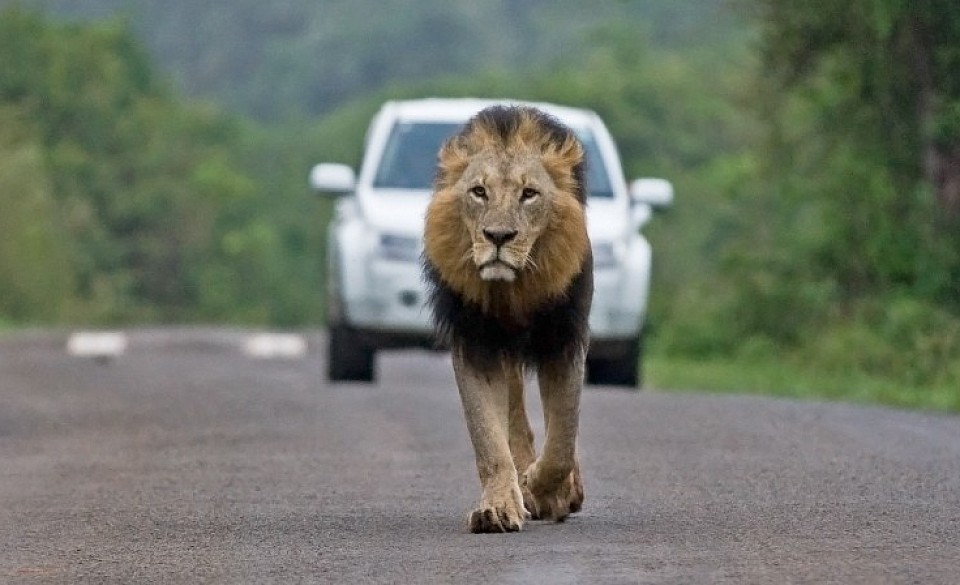
Tourism drive wildlife
Tpurism can provide a strong incentive for governments and organisations to establish environmental policies and conservation measures, including the creation of national parks, nature reserves and other protected areas. This happens because different destinations seek to preserve their biodiversity and natural landscapes not only for ecological reasons but also because those same landscapes and wildlife attract tourists and generate revenue. As tourism appeal increases, countries are driven to protect habitats to sustain that tourism value. Sustainable Travel International
The article gives examples such as coral reef areas and the Galapagos, where protecting marine life and restricting activities like fishing were motivated in part by the economic value of tourism and its appeal to visitors.
Tourism negative impact on wildlife conservation
While wildlife tourism can support conservation, it can also pose environmental risks, if not managed sustainably. Issues, such as habitat degradation, pollution, and disturbance to wildlife, can result from poorly regulated tourism activities. The construction of tourism infrastructure, such as lodges and roads, can lead to habitat fragmentation and loss of biodiversity. I will explain how tourism affects habitat, wildlife behaviour, ecosystem pressure.
Habitat/ Environment
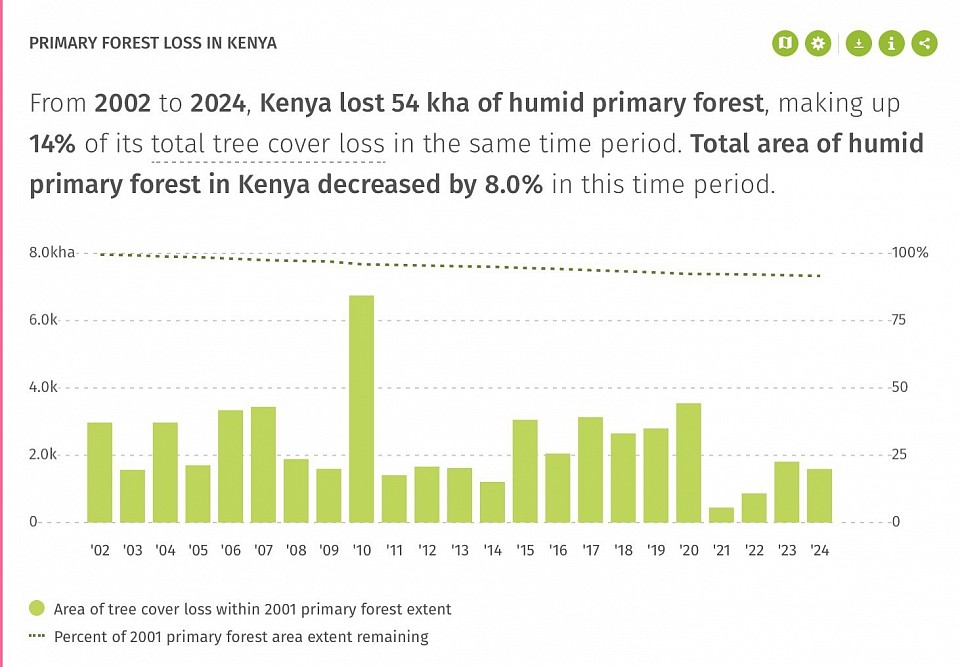
Kha: an abbreviation for thousands of hectares
Kenya is one of Africa’s most biodiverse countries, hosting over (6) 35,000 animal and plant species. (7) This rich biodiversity makes Kenya a global conservation hotspot and a major destination for wildlife tourism. Iconic species, such as elephants, rhinos, zebras, and rare bird species, contribute not only to ecological balance but also to national identity and economic development through tourism.
Sadly we are loosing this land due to habitat degradation and fragmentation mainly caused by human activities linked to rapid population growth and development. (9)
Expansion of agriculture, settlements and infrastructure has led to the conversion of natural habitats into farmland and urban areas, reducing habitat size and quality (10). Agricultural intensification degrades soils and vegetation, while the use of chemicals harms surrounding ecosystems. (9)
Urbanisation, roads, railways and other infrastructure fragment wildlife habitats and block migration corridors, increasing human–wildlife conflict. Deforestation (graph) for timber, charcoal production and farming have reduced forest cover in key water catchment areas, thus degrading ecosystem services (11). In rangelands, land subdivision and fencing block traditional wildlife movement routes, especially in areas like the Maasai Mara (10). Wetland drainage and overuse of water resources further degrade aquatic habitats. Together, these factors reduce habitat connectivity and threaten Kenya’s biodiversity.
As habitats are reduced and broken into smaller patches, wildlife movement is restricted, leading to disrupted migration patterns and reduced access to food, water, and breeding areas (12). Fragmentation isolates animal populations, reduces genetic diversity and increases the risk of local extinctions. (13) Degraded habitats also support fewer species, resulting in overall biodiversity loss. (14)
Human–wildlife conflict increases as animals are forced into closer contact with people in search of resources. Ecosystem services, such as water regulation, soil protection and climate regulation, are also weakened. Nairobi National Park is a clear example of these impacts, where urban expansion, roads and fencing around the park have blocked traditional dispersal corridors, restricting seasonal wildlife movement and increasing conflict between wildlife and surrounding communities. (15)
Pollution
Tourism in Kenya’s wildlife parks brings economic benefits but also contributes to environmental pollution and habitat disturbance if not well managed. One of the main issues is waste generation. Parks and reserves, such as Masai Mara, Amboseli, and Mount Kenya National Park receive large numbers of visitors. Tourism facilities (lodges, campsites, safari vehicles) produce significant solid waste, sewage and litter. Improper disposal of this waste can contaminate soil and water and threaten wildlife that may ingest or become entangled in litter. (16)
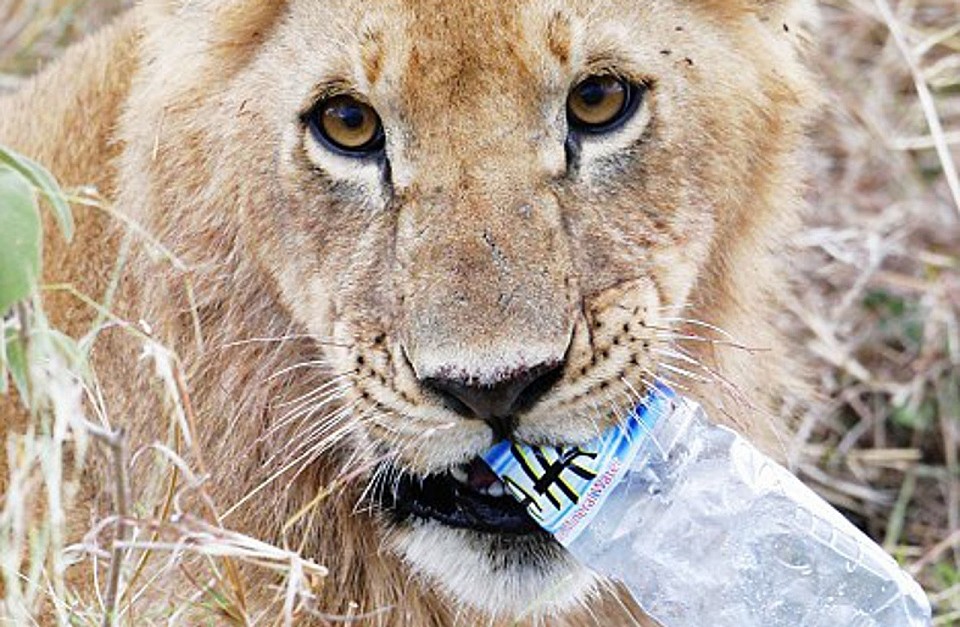
In visitor hotspots, plastic pollution from bottles, food wrappers, and packaging is a growing problem. Animal often mistake plastics for food, causing injury or death. Plastic and other rubbish left near camps or trails can attract scavengers like baboons and hyenas, altering their natural diets and behavior and increasing human–wildlife conflict.
Tourism also contributes to water and soil pollution. In many parks, sewage from campsites and lodges is poorly treated or discharged close to water sources, which can introduce harmful pathogens and nutrients that degrade aquatic habitats. Water usage by tourism facilities in arid park environments can stress scarce water resources, indirectly threatening wildlife that depends on natural waterholes.
Heavy vehicle traffic from safari tours can lead to soil erosion, dust pollution and the degradation of vegetation along popular routes, as well as can worsen landscape pollution and damage fragile soils. Over time, this contributes to habitat degradation that affects plants and animals alike.
Disturbance of Animals by Tourists and Vehicles in Kenya’s Parks
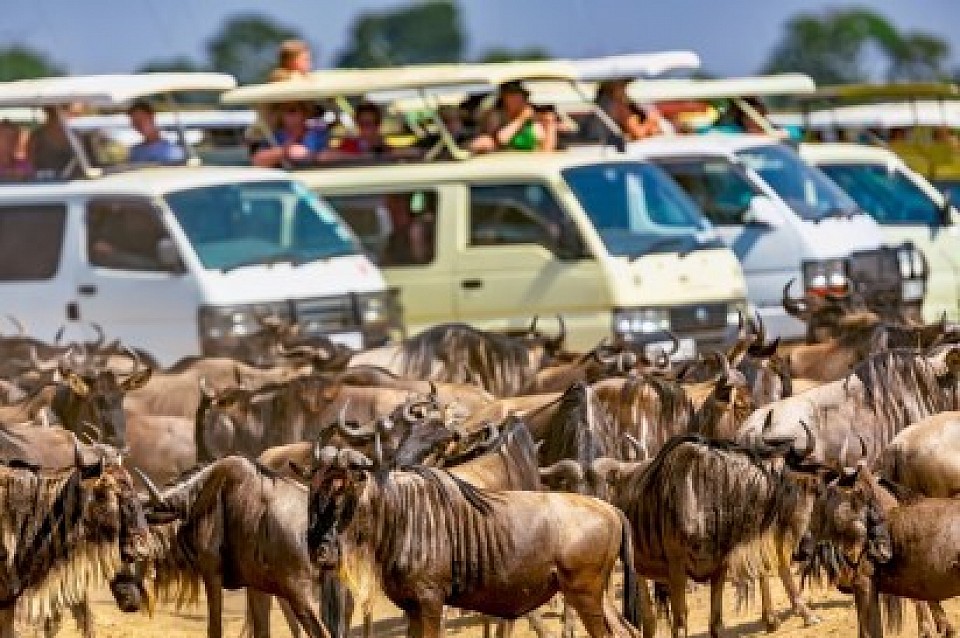
Vehicles surrounding blue wildebeest
Tourist activities in wildlife parks, like the Masai Mara and Amboseli, can significantly disturb animals, when large numbers of vehicles and people gather around wildlife sightings.
Vehicles often surround groups of animals, creating noise, dust and physical pressure that interrupt natural behavior, such as feeding, resting, mating and hunting. Studies show that in areas with high visitor density, especially around key sightings, animals may be forced to change direction, flee or delay important activities because they feel threatened by the presence of vehicles and people nearby. (17)
Off-road driving by safari vehicles further disrupts wildlife by damaging vegetation and compacting soil, which can destroy hiding spots, feeding areas and nesting grounds that animals rely on. Even when animals become somewhat accustomed to vehicles, heavy pressure increases short-term stress and disturbance, affecting their natural behavior. (16)
Management and sustainability for tourism
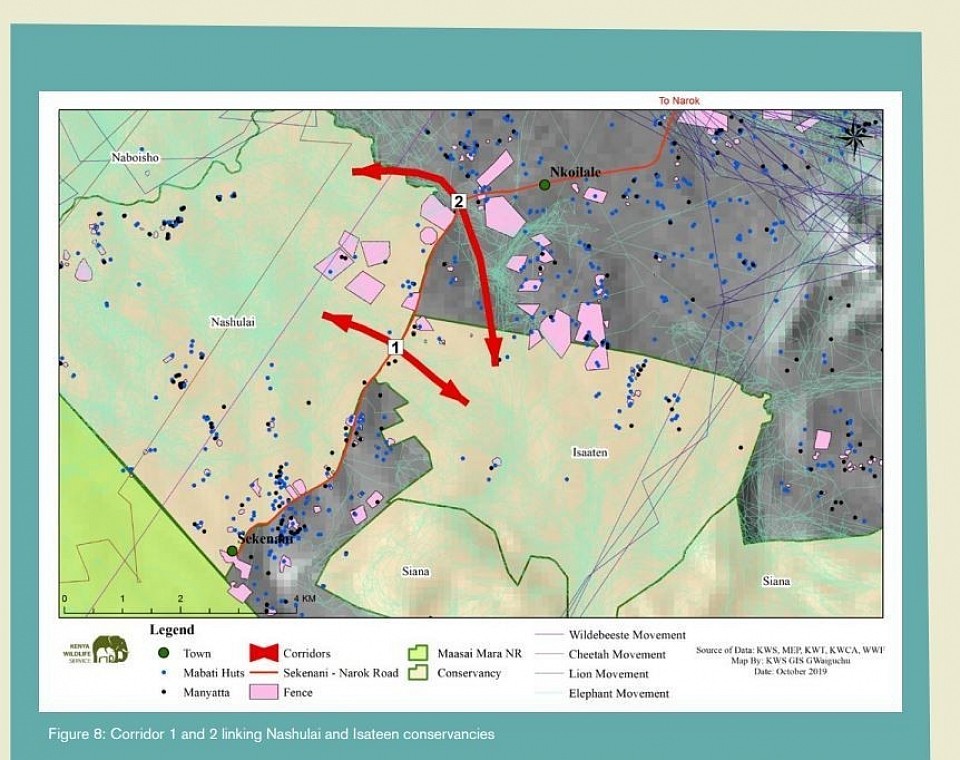
Map of Corridor 1 linking nashulai and isateen conservancies
Kenya’s wildlife tourism industry is important for both the economy and conservation. To ensure that tourism supports wildlife protection rather than harming it, careful management and sustainability strategies are essential. These strategies aim to balance visitor experiences, protect ecosystems, and benefit local communities while safeguarding biodiversity for the future.
National Policies and Institutional Framework
Kenya’s government has established policies and institutional structures that integrate tourism with wildlife protection. The Ministry of Tourism and Wildlife oversees the development of tourism standards, wildlife conservation policies, research and monitoring, ensuring that tourism growth aligns with sustainable management goals. This governance framework helps regulate tourism activities, guide conservation investments and protect Kenya’s natural heritage. (18)
Sustainable Tourism Practices in Parks and Reserves
Tourism management in key wildlife areas, such as the Masai Mara National Reserve, involves practical strategies to reduce environmental impacts. These strategies include controlling the number of safari vehicles, encouraging off-peak visits, promoting eco-lodges with low-impact infrastructure, and developing alternative visiting areas, such as private conservancies, to reduce overcrowding in the core reserve. (17)
Kenya also enforces environmental measures, for example, banning single-use plastics in protected areas to reduce pollution and protect habitats from waste and contamination. (19)
Community Engagement and Revenue Sharing
Sustainable tourism in Kenya increasingly involves local communities as active partners in tourism and conservation. Community-based conservancies, such as Olare Motorogi Conservancy, use tourism revenue to fund wildlife protection, employ local residents as guides and rangers, and support community services. These models give communities a direct stake in conservation outcomes and help distribute tourism benefits more equitably.(20)
Research shows that meaningful community participation, especially when local people have roles in decision-making and benefit sharing, improves the sustainability of wildlife tourism and reduces human-wildlife conflict. (21)
Eco-Tourism and Habitat Protection
Eco-tourism in Kenya promotes wildlife protection by linking tourism operators, conservation partners and communities in joint initiatives. For example, conservancies like Lewa Wildlife Conservancy work to maintain open corridors, allowing animals to move freely across landscapes and reducing fragmentation. These sustainable tourism models prioritise ecosystem health, wildlife monitoring and species recovery. (17) (maps of the open corridors is Masai Mara)
Resource Conservation and Visitor Behaviour
Sustainable tourism practices also include resource conservation measures led by tourism stakeholders, such as water-saving systems, solar energy use and waste recycling at eco-lodges and camps. These practices reduce the ecological footprint of tourism operations in fragile environments. (22)
Visitors are encouraged to adopt responsible practices, such as respecting wildlife from a distance, disposing of waste properly, and supporting local guides to minimise disturbance and foster ethical travel behaviour. (23)
Adaptive Management and Research
Effective management of tourism’s environmental impacts relies on monitoring and adapting practices over time. Authorities and partners use research, ecological surveys and impact assessments to identify issues, such as crowding effects, habitat stress and human–wildlife interactions, and then adjust tourism policies and zoning accordingly. Projects in the Masai Mara, for example, incorporate visitor caps and vehicle spacing rules to limit stress on wildlife and habitats. (24)
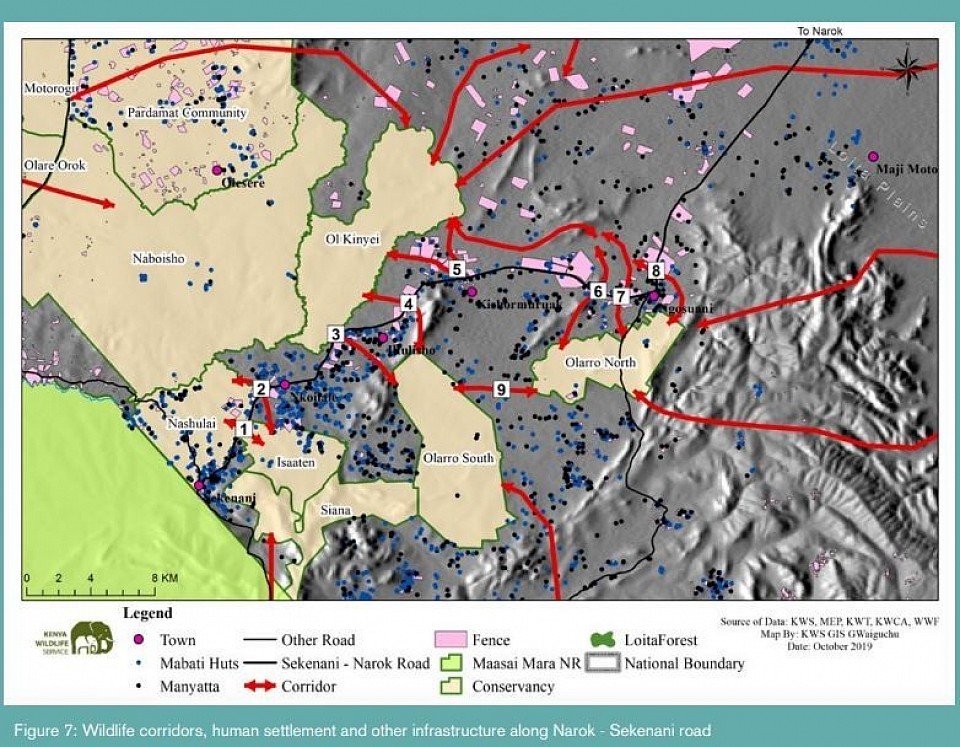
map showing wildlife corridors in masaai mara
